Stage 1 - Primary Prevention
Universal Service Pathway – education and prevention
Primary prevention aims to stop CCE before it starts by addressing the root causes of vulnerability and promoting protective environments. All children and young people benefit from universal services such as education, healthcare, and youth support, which play a foundational role in safeguarding. While a preliminary UNOCINI assessment could be completed by a health practitioner and it does not meet the threshold for referral to formal UNOCINI assessment by a Social Worker, it may result in other referrals and actions such as referral to community and voluntary sector support services.
Children and young people may become more susceptible to CCE when they have large amounts of unsupervised time and increased presence on online spaces, or other vulnerabilities that heighten their susceptibility to CCE. These can be understood as indicators that the child may fall within the definition of a Child in Need under Article 17 of the Children (Northern Ireland) Order 1995, which is used in practice to determine safeguarding thresholds.
Early identification of these vulnerabilities is critical to safeguarding children and young people, through a coordinated, multi-agency approach. Parents, carers, and practitioners working in education or universal services often have the closest day-to-day contact with children and young people and may be the first to notice signs of concern. However, it is essential that all services remain alert to early indicators of vulnerability or CCE, and respond with care, curiosity, and coordination.
Examples of primary prevention strategies: Universal approaches that aim to reduce risk and build protective environments before harm occurs:
- School-based education programmes on healthy relationships, consent, recognising manipulation, and online safety delivered in age-appropriate, inclusive ways.
- Inclusive school environments – whole-school approaches that promote
belonging, reduce exclusion, and support engagement for all learners. - Community awareness campaigns. Public education initiatives to raise awareness of CCE and challenge stigma and myths.
- Policy and structural initiatives aimed at reducing poverty, improving access to education, and addressing systemic inequalities and deprivation that increase vulnerability.
- Parenting and family support programmes delivered through Family Support Hubs to strengthen family relationships, build resilience, and support early help.
- Youth development programmes and activities that foster confidence, leadership, and life skills, helping young people build positive identities and aspirations.
- Safe community spaces through urban planning and community development that prioritise safe, inclusive environments for children and young people.
- Media and digital literacy awareness raising that empowers children and young people to critically assess online content, resist harmful influences, and stay safe online.
- Measuring impact - While baseline data on CCE in Northern Ireland is limited, progress can be tracked through indicators such as increased awareness and understanding of CCE, improved practitioner confidence and training, stronger multi-agency collaboration, and positive shifts in community and public attitudes toward exploitation and safeguarding.
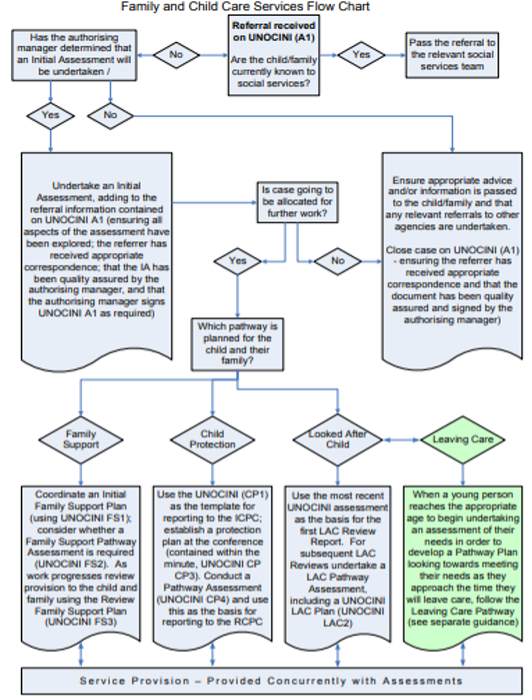
Diagram 2 above provides a structured overview of the multi-agency service provision for responding to CCE in Northern Ireland. It integrates both Child Safeguarding and Child Protection systems, recognising that children and young people affected by exploitation may move between different levels of support depending on their changing levels of risk and need. The submission of a UNOCINI assessment is intended to address the presenting issues of a “Child in Need.” This ensures that concerns related to vulnerability, risk of exploitation, or early indicators of harm are responded to within the statutory framework and that appropriate multi‑agency support is coordinated effectively.